Search
The following results are for articles, pages, courses, lessons, documents, events and FAQs on our website. You can also search our media library for additional information. And, for members, our community forum has a search feature that can be used to search thousands of posts among hundreds of topics among our community.

This notice template is Ireland specific and is used to place recipients on written notice that the sender treats biometric identifiers, personal data, and identity records as private property interests within the sender’s estate and protected rights.

This notice template is Canada specific and is used to place recipients on written notice that the sender treats biometric identifiers, personal data, and identity records as private property interests within the sender’s estate and protected rights.

This notice template is New Zealand specific and is used to place recipients on written notice that the sender treats biometric identifiers, personal data, and identity records as private property interests within the sender’s estate and protected rights.

This notice template is United Kingdom specific and is used to place recipients on written notice that the sender treats biometric identifiers, personal data, and identity records as private property interests within the sender’s estate and protected rights.

This notice template is used to place recipients on written notice that the sender treats biometric identifiers, personal data, and identity records as private property interests within the sender’s estate and protected rights.
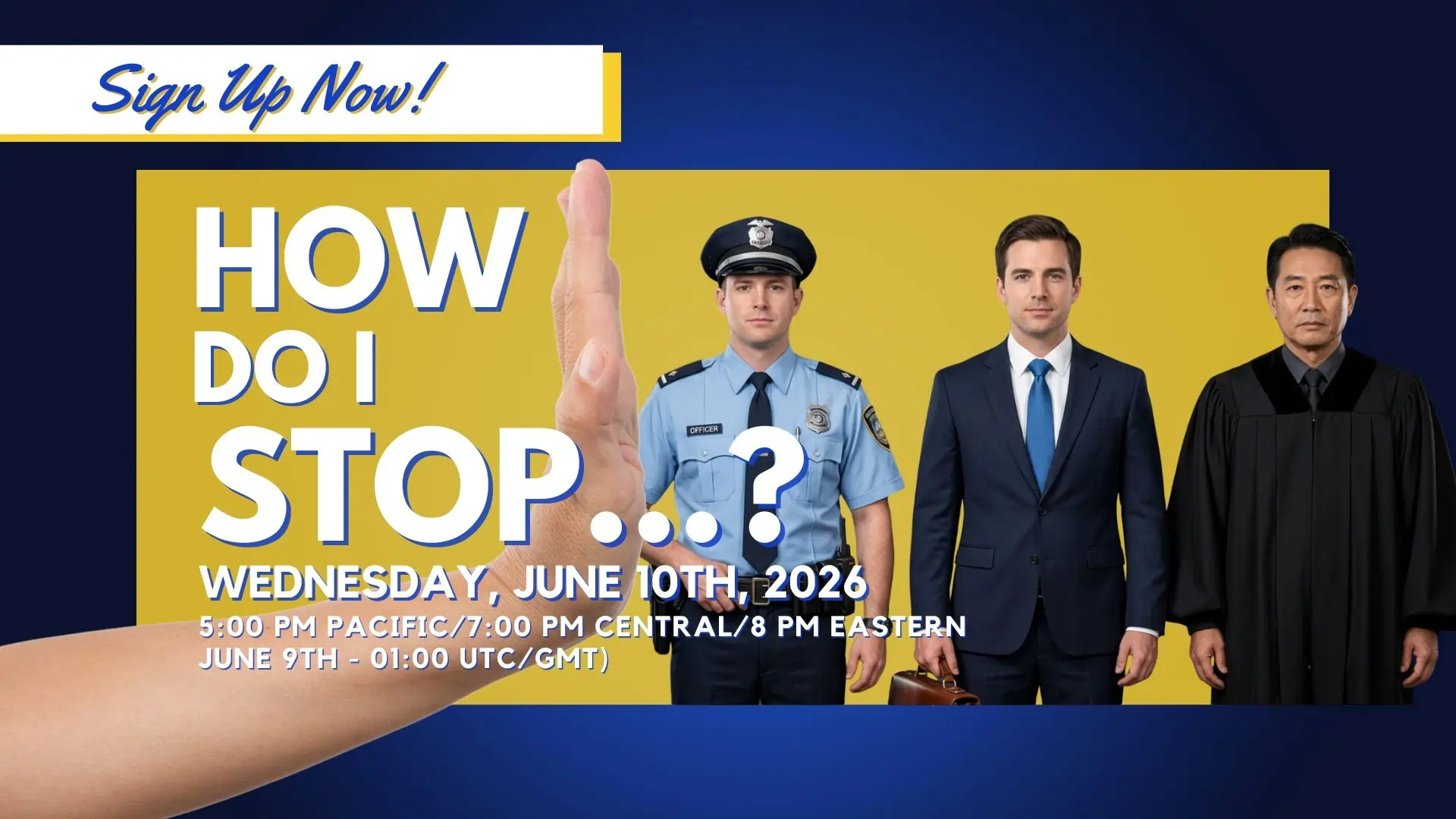
Want to know how to stop an agency or officer from proceeding against you? In this webinar replay, we discuss what that means and if it’s even possible in all cases. Members want to know, “what do I do!?”, when authority imposes on our lives without true justification.

Our community forum is self-hosted, private platform available to all members that can be used through your web browser and installed as an app on your phone.
In this webinar replay, we discuss the hidden difference between administrative control, legal theory, and actual legal proof.
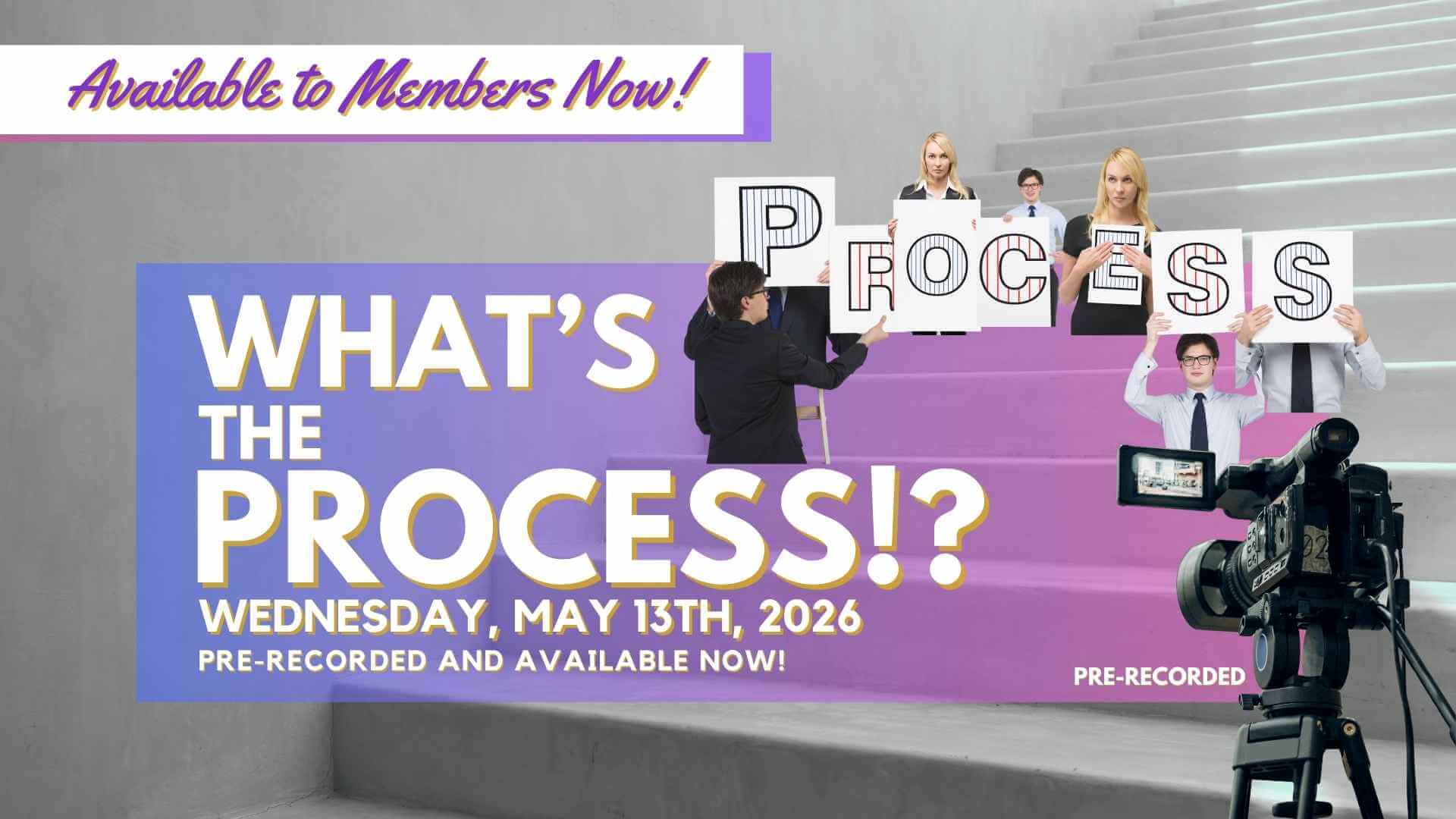
This week's Bi-Monthly webinar will be prerecorded as Robert will be traveling. The topic is What's the Process!? It focuses on the differences between sovereign mythology processes and what actual legal processes are.
Our Master membership is for individuals truly engaged and committed to esoteric law, living privately, and / or operating private organizations like trusts or unincorporated associations (UAs or private member associations / PMAs).
Our Healer membership is for people who have had their awakening, started their journey, and have started to integrate it into experience.
Our Sojourner membership is for people who have passed the stage of awakening and are ready to begin their journey to gain knowledge and experience on their path.
Our Awakened membership is our "starter" membership for people that are just introducing themselves to the type of content we share and want to see if what we have resonates with them.

A major problem in the sovereignty space is that people are using doctrine, maxims, definitions, fragments of case language, and legal theory as if they are proof of a hidden legal system. That does not work.
The original AI prompt document available in the library and Live AI Prompt Workshop webinar event has been updated.
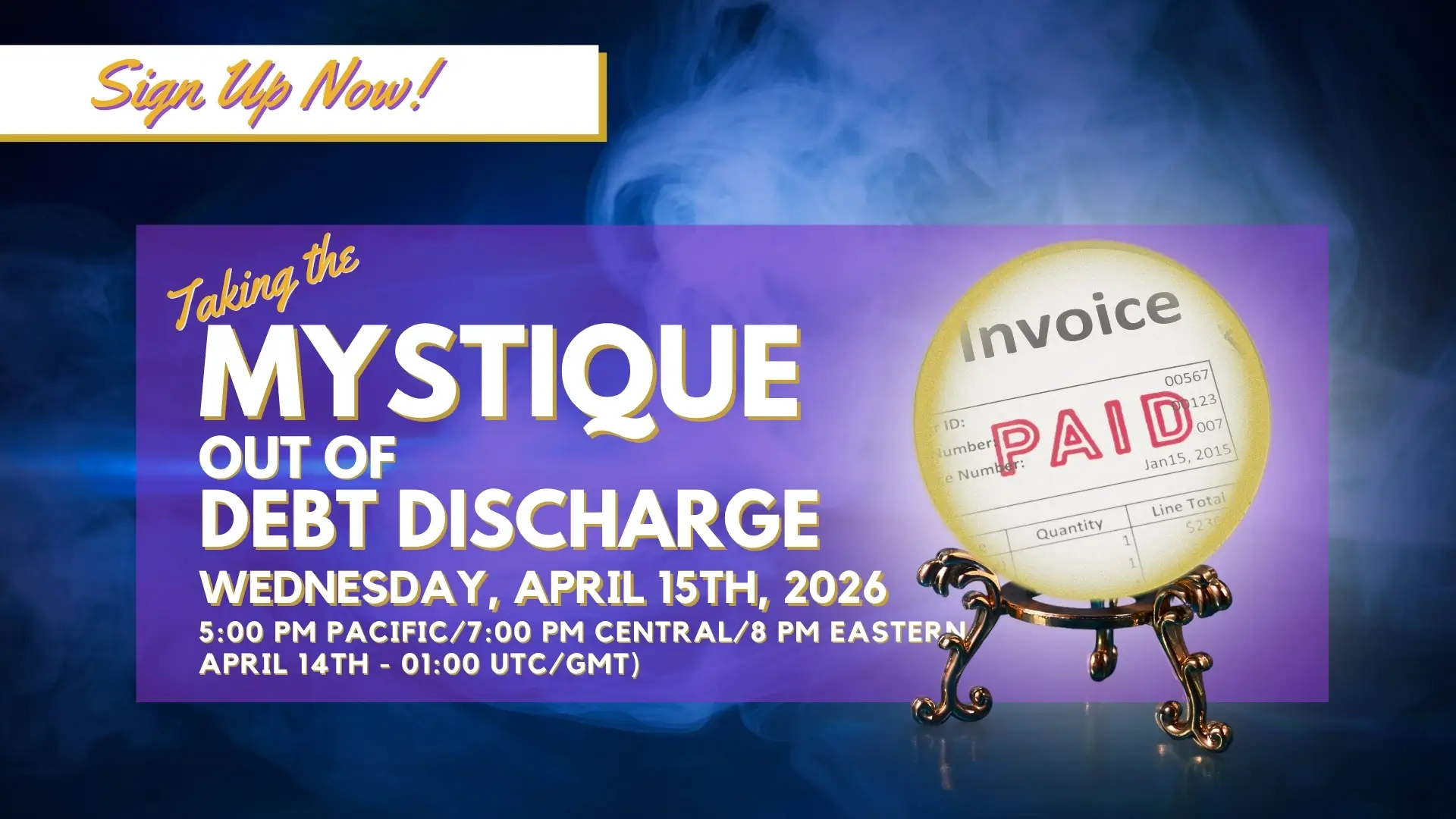
Watch the replay to catch a discussion on what many in the sovereign community are calling "debt discharge".
.png)
Follow-up letter when the collector/creditor sends statements or generic paperwork that does not prove ownership, authority, or the amount claimed for Ireland jurisdiction.
.png)
Follow-up letter when the collector/creditor sends statements or generic paperwork that does not prove ownership, authority, or the amount claimed for New Zealand jurisdiction.
.png)
Follow-up letter when the collector/creditor sends statements or generic paperwork that does not prove ownership, authority, or the amount claimed for U.K./Northern Ireland jurisdiction.
.png)
This dispute letter is used to notify a third-party debt collector and demand verification, chain-of-authority, and itemization, and directing written-only communications for New Zealand jurisdiction.