
The original AI prompt document available in the library and Live AI Prompt Workshop webinar event has been updated.
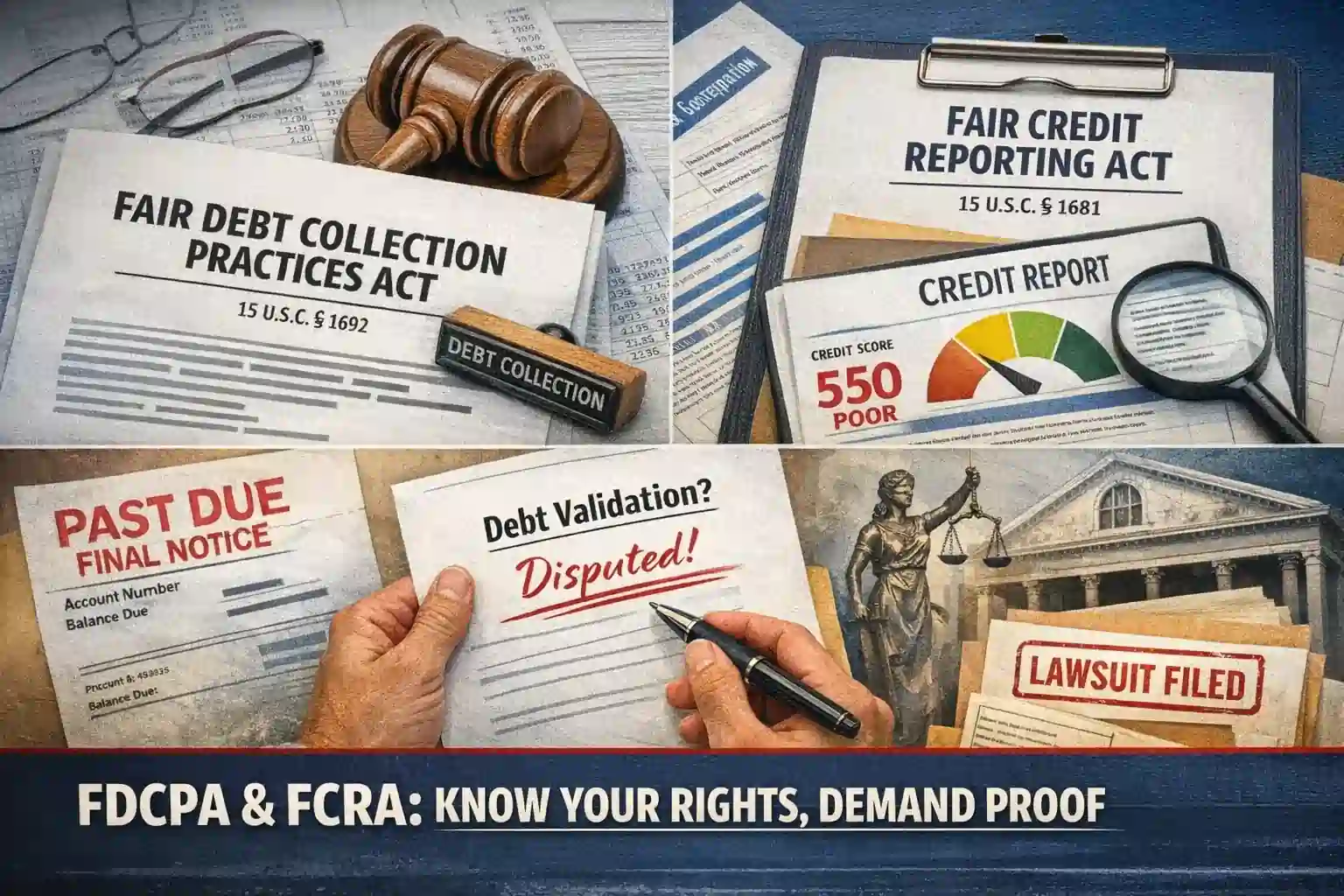
This is an article on Unsecured Consumer Debt disputing including Lawful Proof, Clean Records, and Rights‑Based Remedies for both debt and credit reporting.

An educational law-review style primer explaining how a church and integrated auxiliaries can be structured for a life of service outside commercial selling, while maintaining lawful tax posture, proper worker classification, and a clean separation for any public-facing LLC activity.
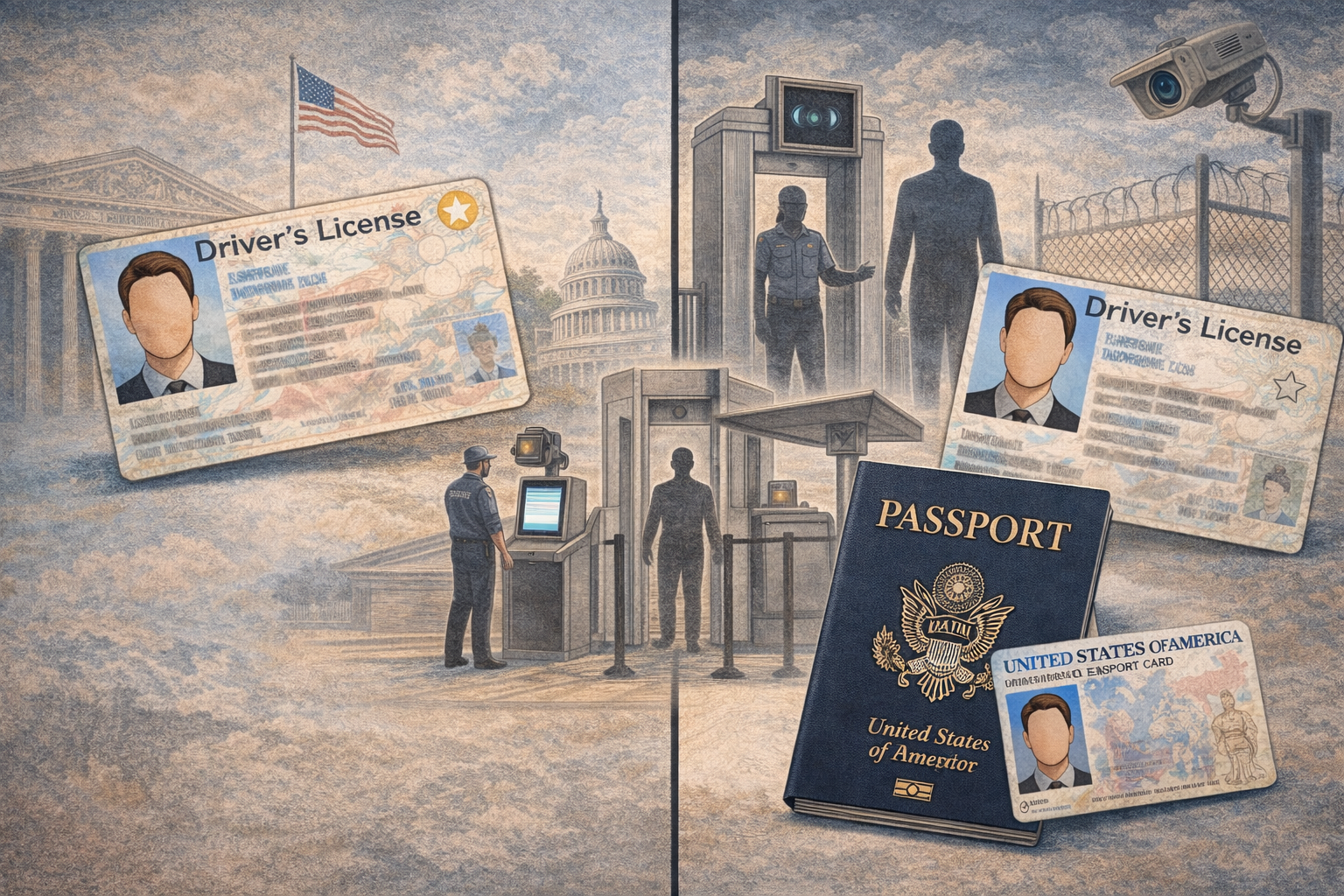
This article gives a plain-language overview of the difference between REAL ID cards and standard state IDs, including common uses and privacy concerns. It also explains general ways people think about reducing unnecessary data exposure while remaining within public-system requirements.
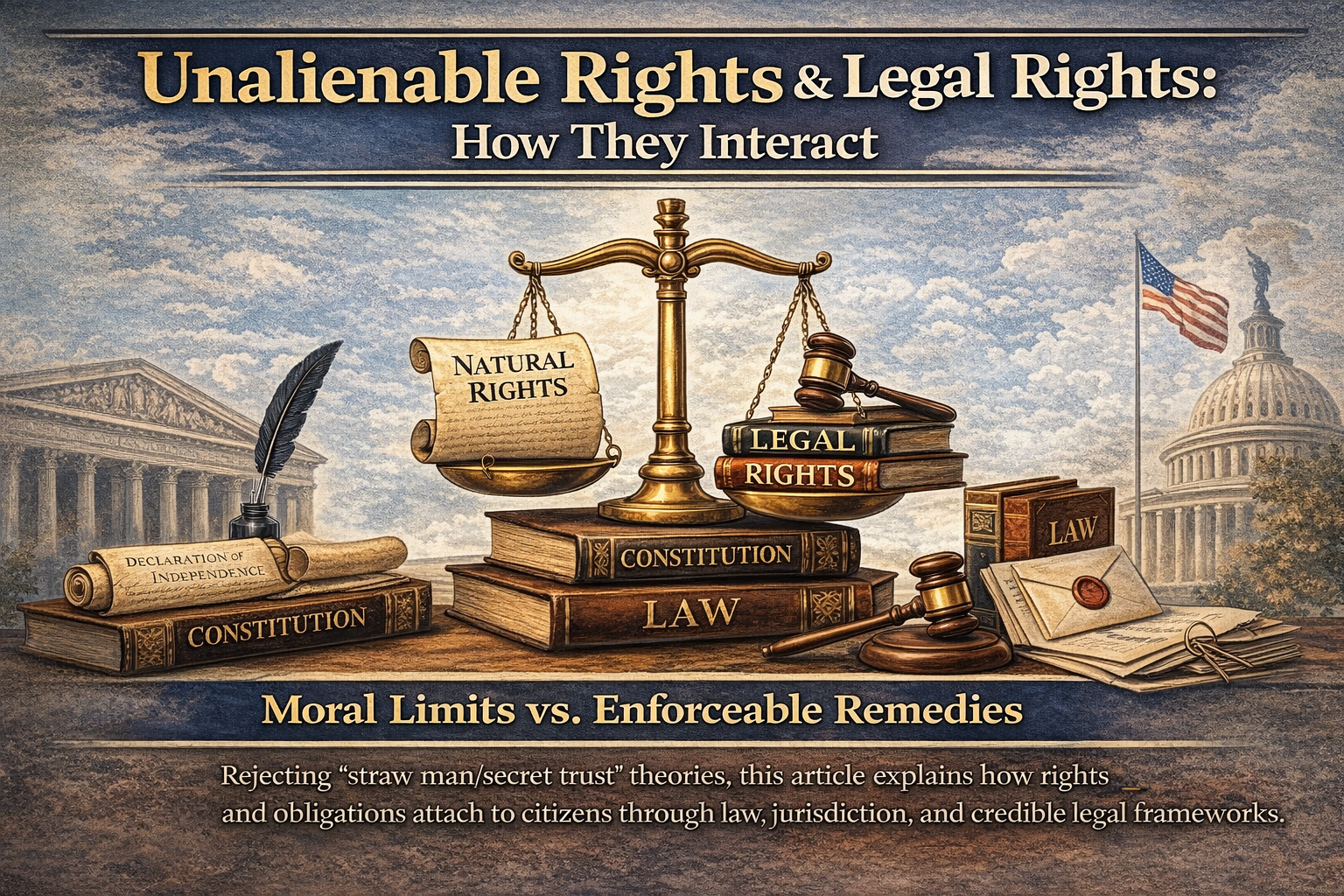
This article gives a plain-language overview of how unalienable rights and legal rights relate to one another: natural rights express moral limits on power, while legal rights describe how those principles are recognized inside civil systems. It also explains why “straw man” and “secret trust” birth-registration theories are not useful legal doctrine, and how rights and obligations are generally understood through jurisdiction, social membership, and recognized legal frameworks.
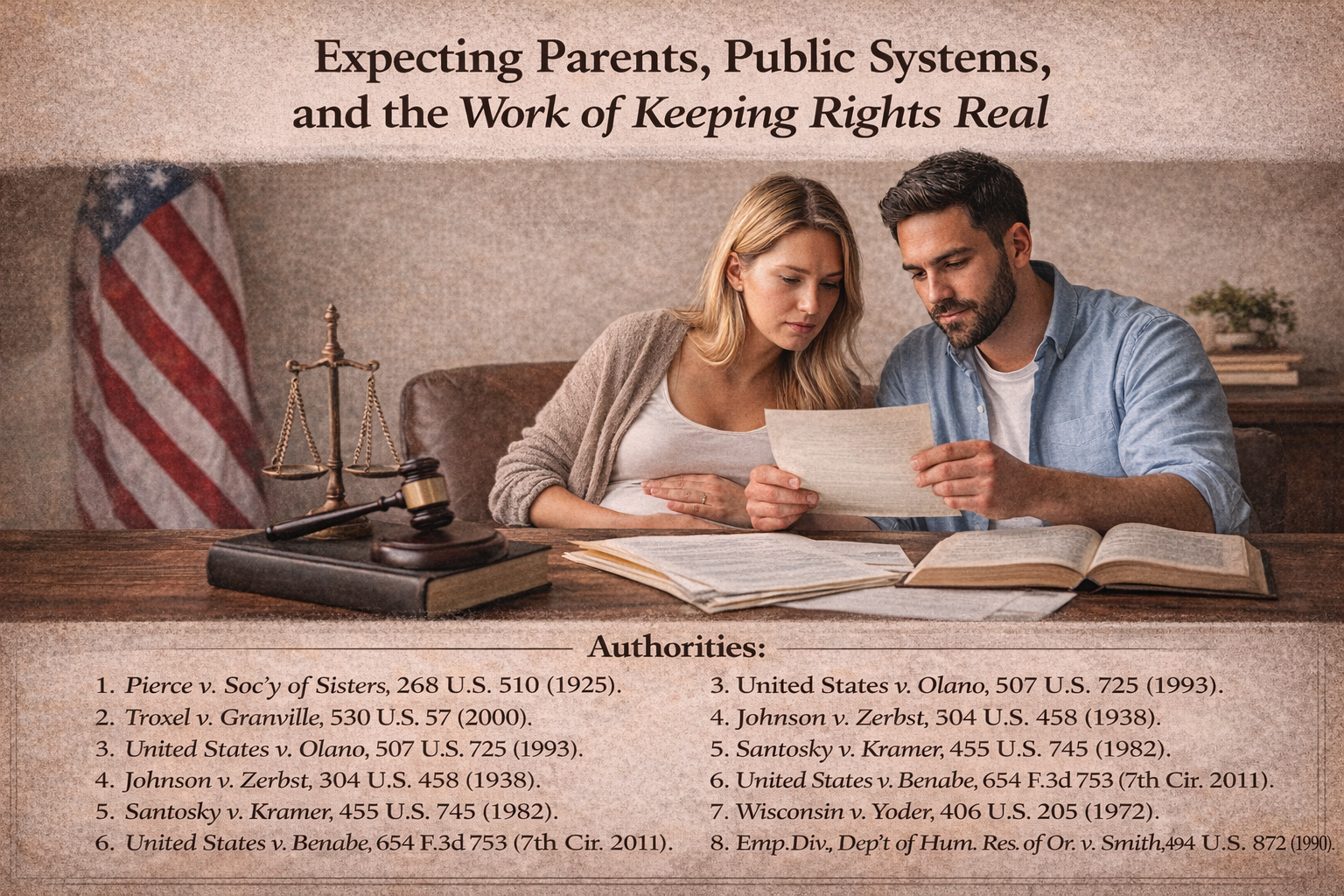
This article gives expecting parents a plain-language overview of how U.S. law generally treats birth records, personhood, parental rights, and public-system involvement. It also explains why “straw man” theories are not useful legal doctrine and introduces recordkeeping, religious-belief documentation, and privacy discipline as educational concepts for understanding family-rights issues.
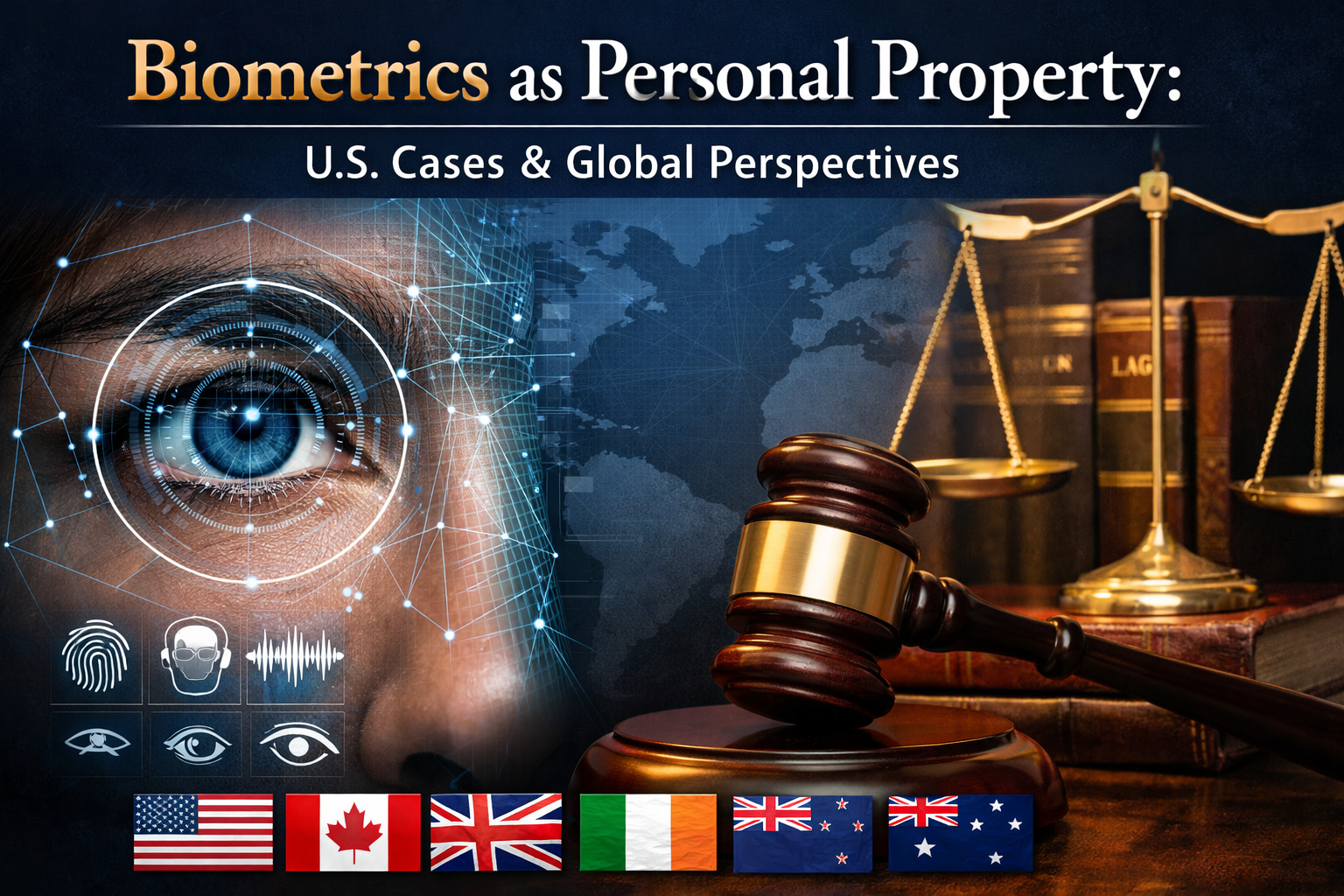
Biometrics, such as face geometry, fingerprints, voiceprints, even gait, function as personal, property-like interests under U.S. law. We connect Zacchini, Jordan, Rosenbach, Patel, McDonald, and Cothron to show how courts protect consent and control (quick cites for Canada, the UK, Ireland, New Zealand, and Australia).
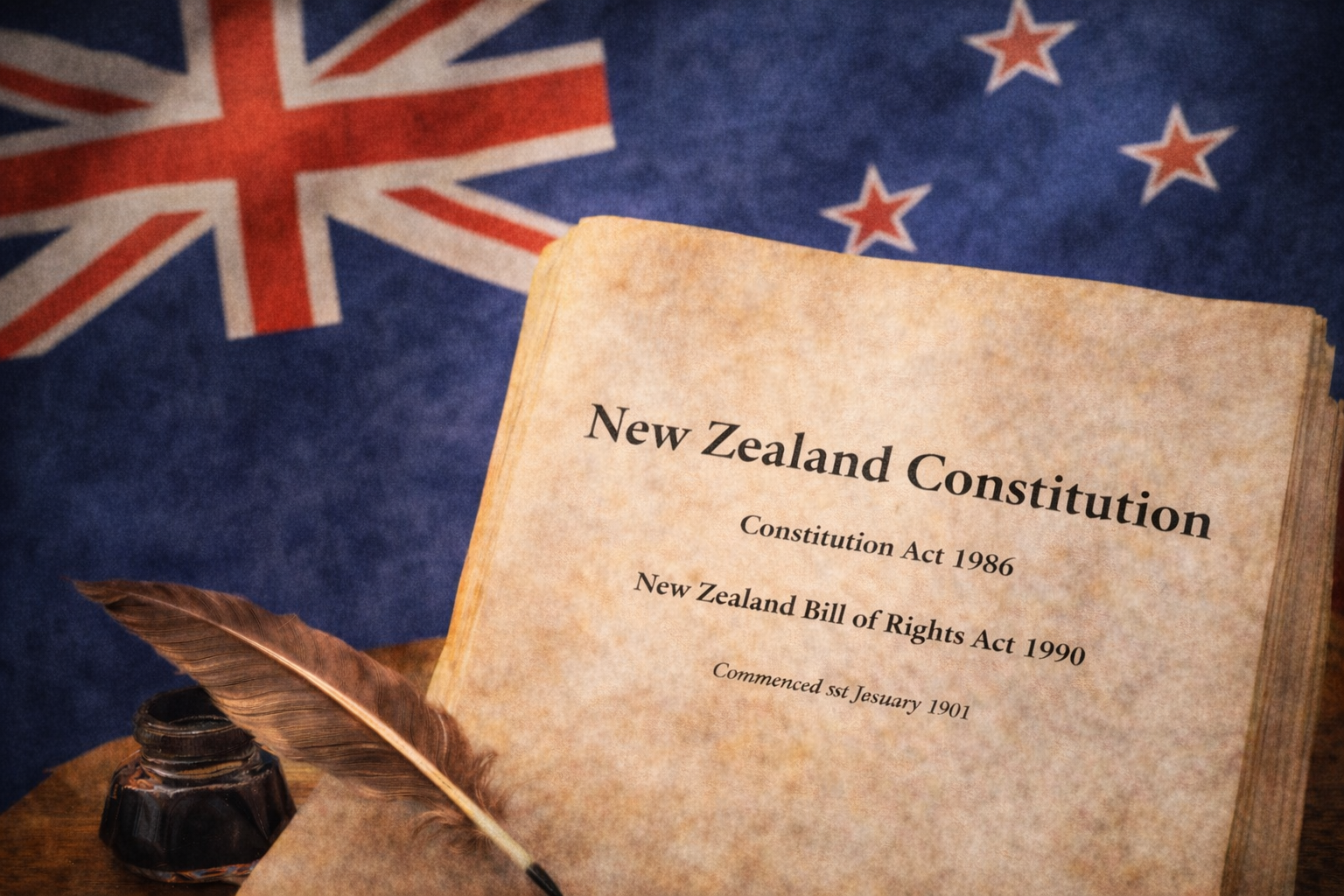
This article explains New Zealand’s constitutional system in simple terms, including how Parliament, the executive government, and the courts are organized and how “constitutional rules” are spread across key statutes rather than a single written constitution. It shows where everyday rights protections are found (especially in the New Zealand Bill of Rights Act 1990) and identifies the main lawful remedy channels such as courts and judicial review, information-access tools, and independent oversight bodies, used to enforce those rights in practice.

This article explains, in practical plain language, why documented mailing matters for notices and how good mailing records reduce “you never told me” disputes to provable facts. It outlines a non-legal-advice, step-by-step procedure for creating proof of posting, tracking, and delivery records in the U.S., Canada, the U.K., Ireland, Australia, and New Zealand using each country’s standard registered/signed mailing options.

This article explains Australia’s Constitution in plain language: how the Parliament, executive government, and courts fit together, and how the Commonwealth and States share power. It identifies where Australians find constitutional rights protections (including key express protections like jury trial, religion limits on federal power, and “just terms” for property acquisition) and where the legal system provides remedy channels, including High Court constitutional remedies and federal–State conflict rules.

This article gives a simple, practical overview of how Ireland is governed under Bunreacht na hÉireann—who makes laws, who carries them out, and who decides disputes. It shows where everyday rights are protected (especially the “Fundamental Rights” provisions) and explains the main legal channels people use to assert and enforce those rights when something goes wrong

This article explains the U.K. Constitution in plain language, including why it is not a single written document and how Parliament, the Government, and the courts each fit into the system. It identifies where modern rights protections are found (especially the Human Rights Act 1998 and foundational constitutional statutes) and outlines the main remedy channels, including judicial review and human-rights-based court remedies.
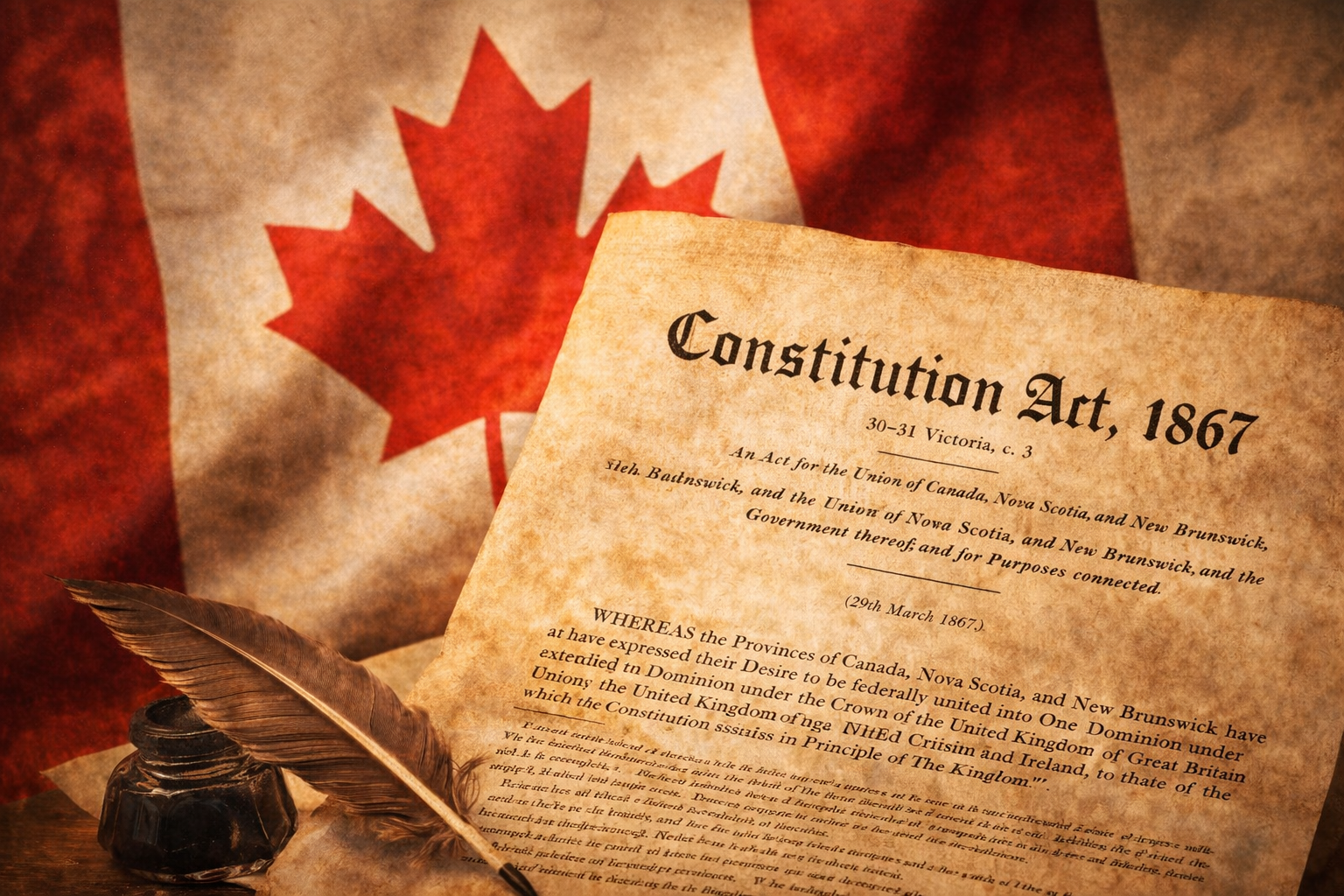
This article explains Canada’s Constitution in plain language: what it is made of, how it creates Canada’s federal system, and how power is divided between Parliament and the provinces. It also shows where rights protections are found (especially the Canadian Charter of Rights and Freedoms) and where the law provides direct remedy channels through the courts (including Charter remedies and constitutional supremacy).
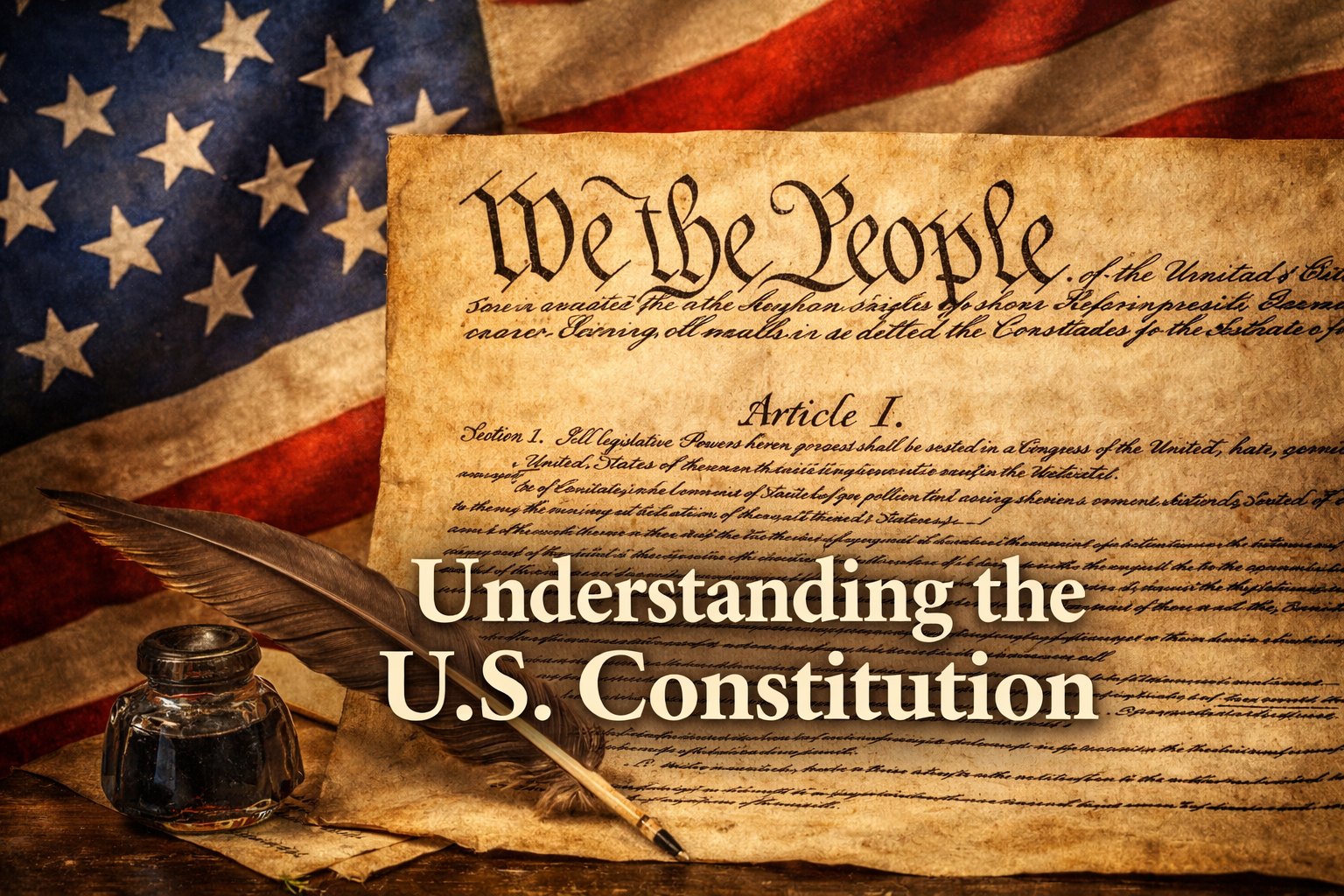
This article explains the U.S. Constitution in simple terms: what it created, what each Article does, and how it limits government power. It also shows where your rights are written down (especially the Bill of Rights and Amendments 11–14) and where the law provides channels to enforce those rights when government violates them.

Subject-matter jurisdiction is the legal boundary that determines whether a court or agency has authority to decide a particular kind of dispute at all. This article explains how that boundary works across six common-law nations and how disciplined record-building can expose and preserve jurisdictional defects for later review and reform.

This article explains personal jurisdiction as a procedural issue: courts and agencies generally rely on recognized legal gateways such as service, presence, consent, submission, statutory authority, or sufficient connection, to exercise authority over a person. It also explains why objections to personal jurisdiction usually depend on timing, form, and conduct, because many systems treat the objection as waived if it is not raised properly before engaging the merits.

A persistent internet claim holds that the Uniform Commercial Code (UCC) “governs everything,” that one can “become a secured party,” file a UCC-1 financing statement, or tender some private instrument to “discharge” public debts and fines. That claim fails as a matter of first principles.

This article explains why, despite the constitutional mantra of “We the People,” individuals are functionally treated as subjects of the legal system rather than owners of it, and how that presumption is locked in through jurisdictional and procedural defaults. It then shows why a litigant must assert legal status and due process rights at the very onset of any matter be it civil, criminal, or administrative, using established doctrine and case law rather than fringe theories.

This article was written by both Robert Michael and A.I. to explain how equity actually works in our courts as non-exclusive.

We're going to be pushing out some updates to the website over the next few weeks. Contact support if you experience any issues.