Search
The following results are for articles, pages, courses, lessons, documents, events and FAQs on our website. You can also search our media library for additional information. And, for members, our community forum has a search feature that can be used to search thousands of posts among hundreds of topics among our community.
.png)
Follow-up letter when the collector/creditor sends statements or generic paperwork that does not prove ownership, authority, or the amount claimed for Australian jurisdiction.
.png)
This dispute letter is used to notify a third-party debt collector and demand verification, chain-of-authority, and itemization, and directing written-only communications for Australian jurisdiction.
.png)
This dispute letter is used to notify a third-party debt collector and demand verification, chain-of-authority, and itemization, and directing written-only communications for U.K./Northern Ireland jurisdiction.
.png)
This dispute letter is used to notify a third-party debt collector and demand verification, chain-of-authority, and itemization, and directing written-only communications for Ireland jurisdiction.

Member Randall Keith Beane shares how a “straw man” account theory led to a federal case involving millions in withdrawals and years in prison. This webinar examines both the failure of those defense theories and Randy’s claims of prosecutorial misconduct.
.png)
Follow-up letter when the collector/creditor sends statements or generic paperwork that does not prove ownership, authority, or the amount claimed for Canadian jurisdiction.

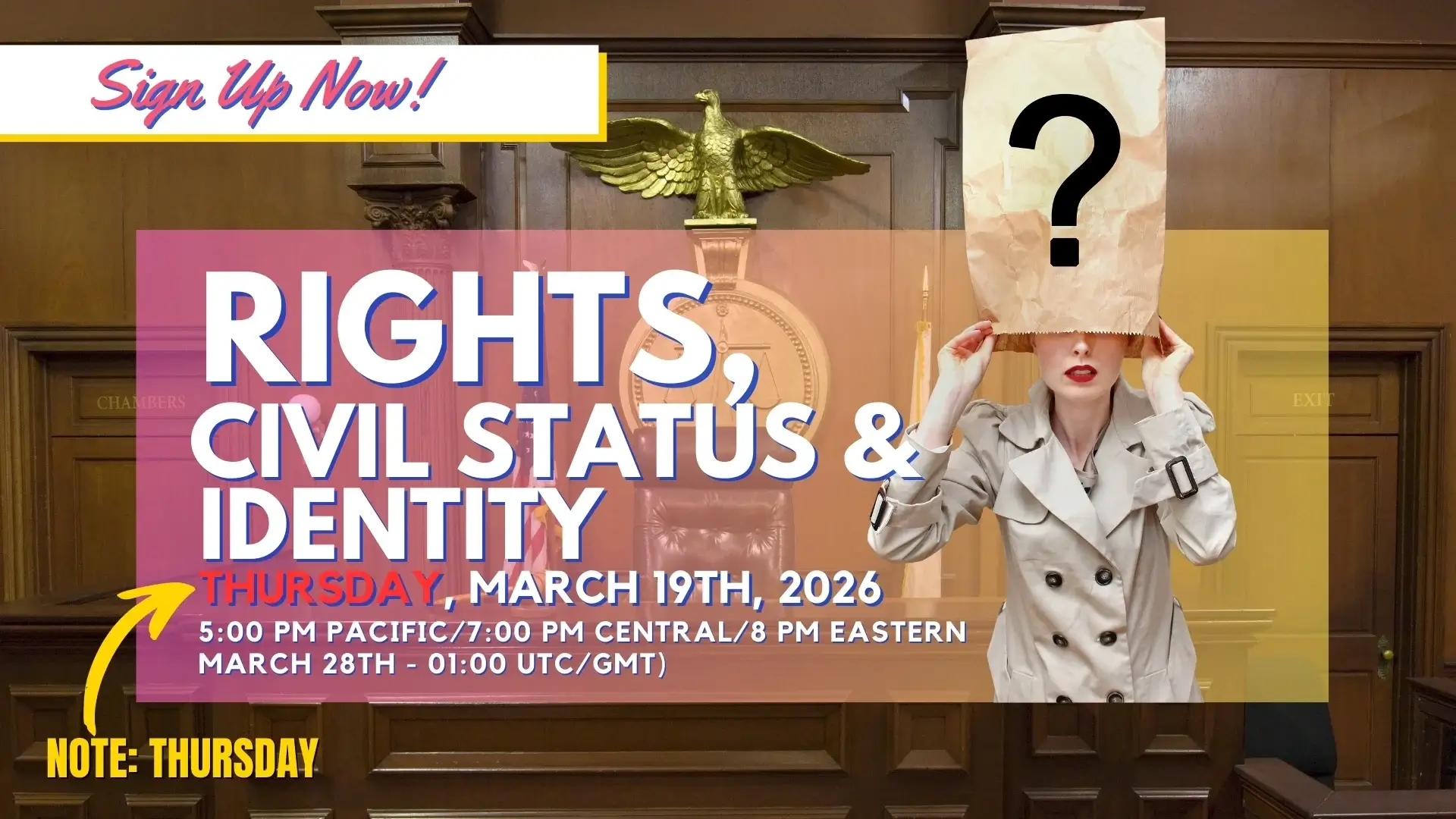
In this session we will be unpacking one of the most misunderstood subjects in modern legal education which is how the legal system categorizes rights and identities.
.png)
This dispute letter is used to notify a third-party debt collector and demand verification, chain-of-authority, and itemization, and directing written-only communications for Canadian jurisdiction.
This dispute letter is used to notify a third-party debt collector and demand verification, chain-of-authority, and itemization, and directing written-only communications.
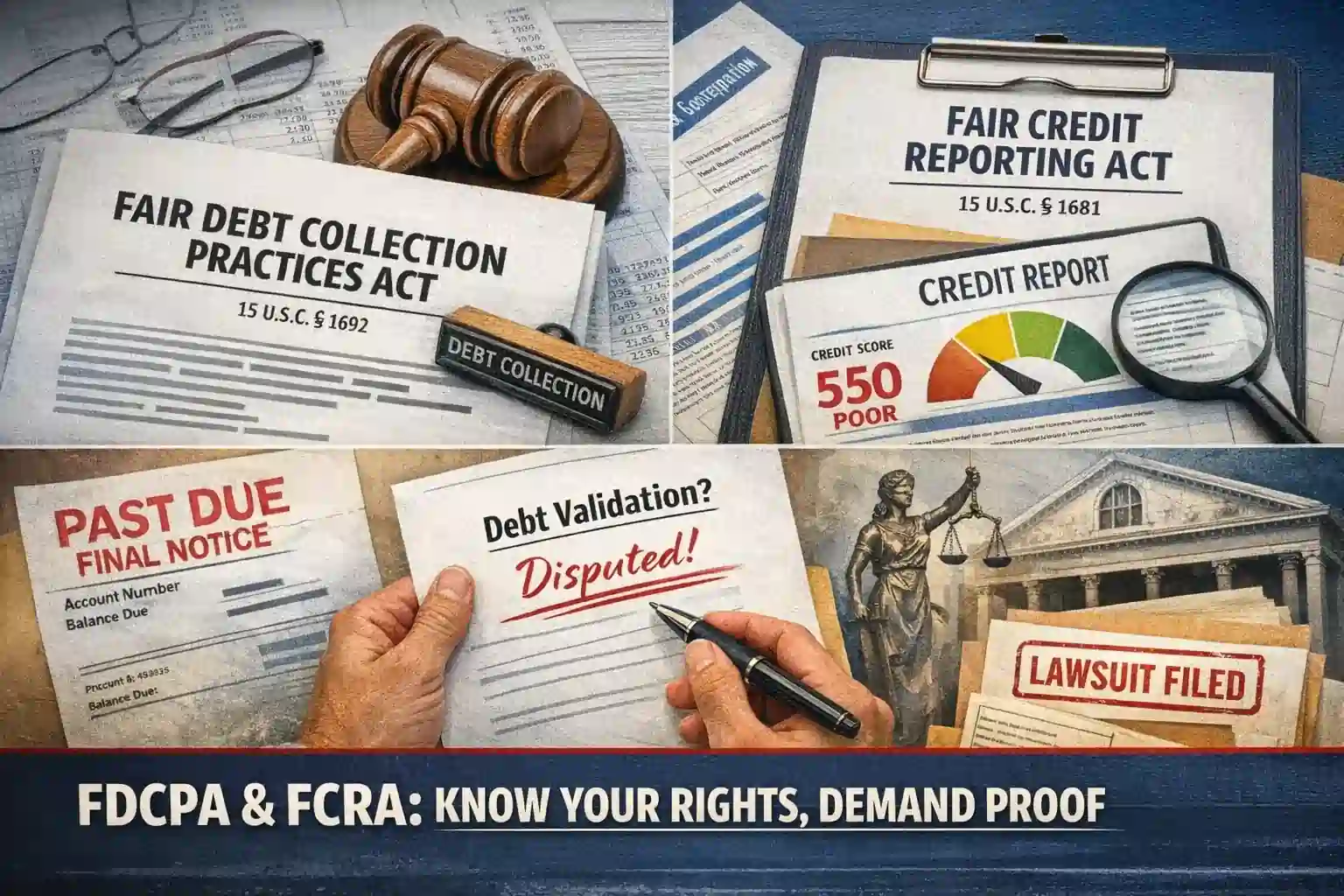
This is an article on Unsecured Consumer Debt disputing including Lawful Proof, Clean Records, and Rights‑Based Remedies for both debt and credit reporting.
.png)
Follow-up letter when the collector/creditor sends statements or generic paperwork that does not prove ownership, authority, or the amount claimed.
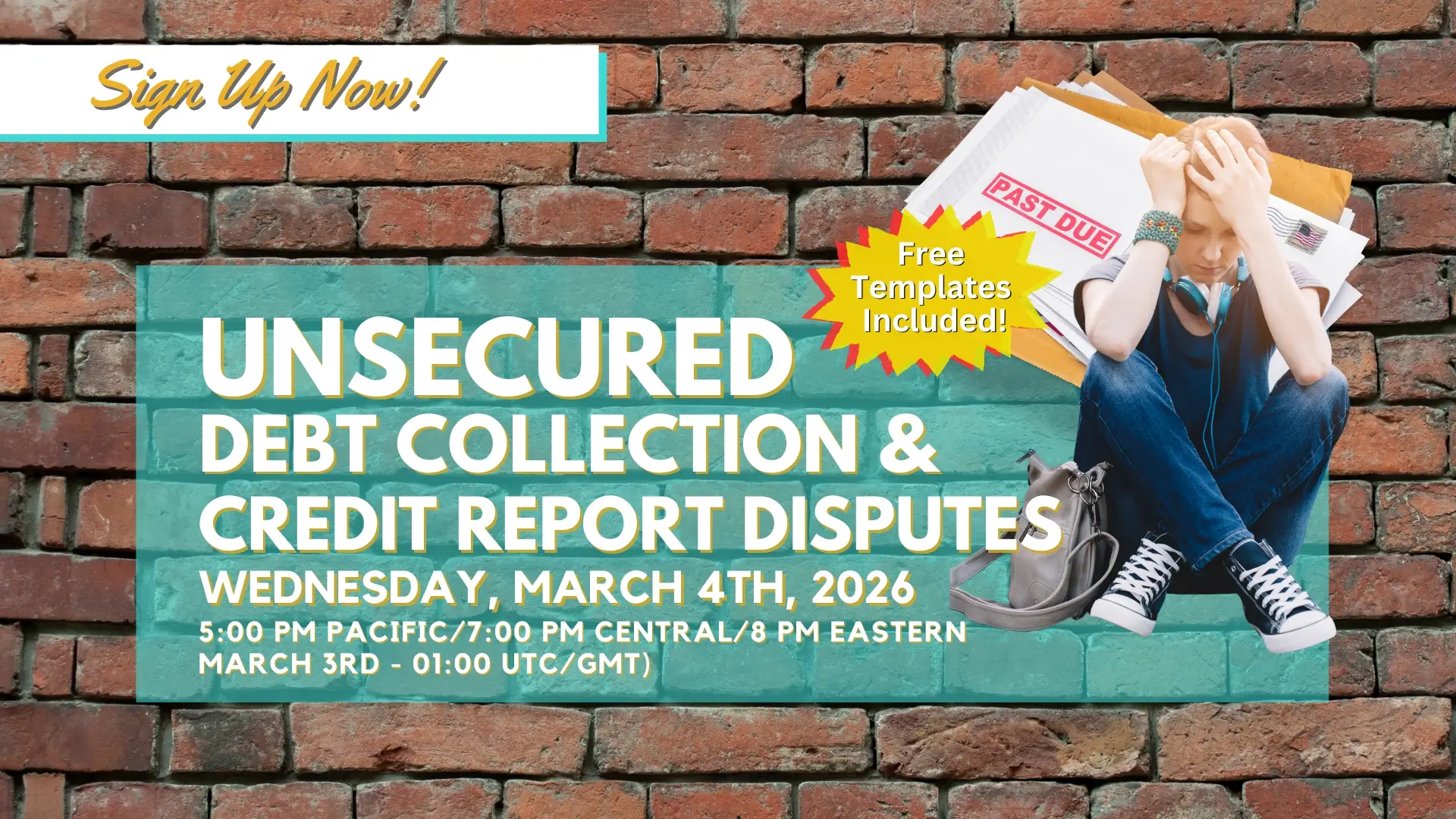
Watch the replay as we break down unsecured debt collection and the real rules that govern it...(and download the member templates for the US, Australia, New Zealand, Canada, the U.K. and Ireland)

Mail it correctly at the counter and maintain a complete proof packet afterward.

Assemble a clean, readable notice packet that is easy to process and hard to dispute.

Add Return Receipt to obtain signature proof and a delivery date tied to your Certified Mail number.

Use Certified Mail correctly to prove you sent the package and track delivery attempts.

Learn what mailing “notice” means and why proof of mailing and delivery matters.
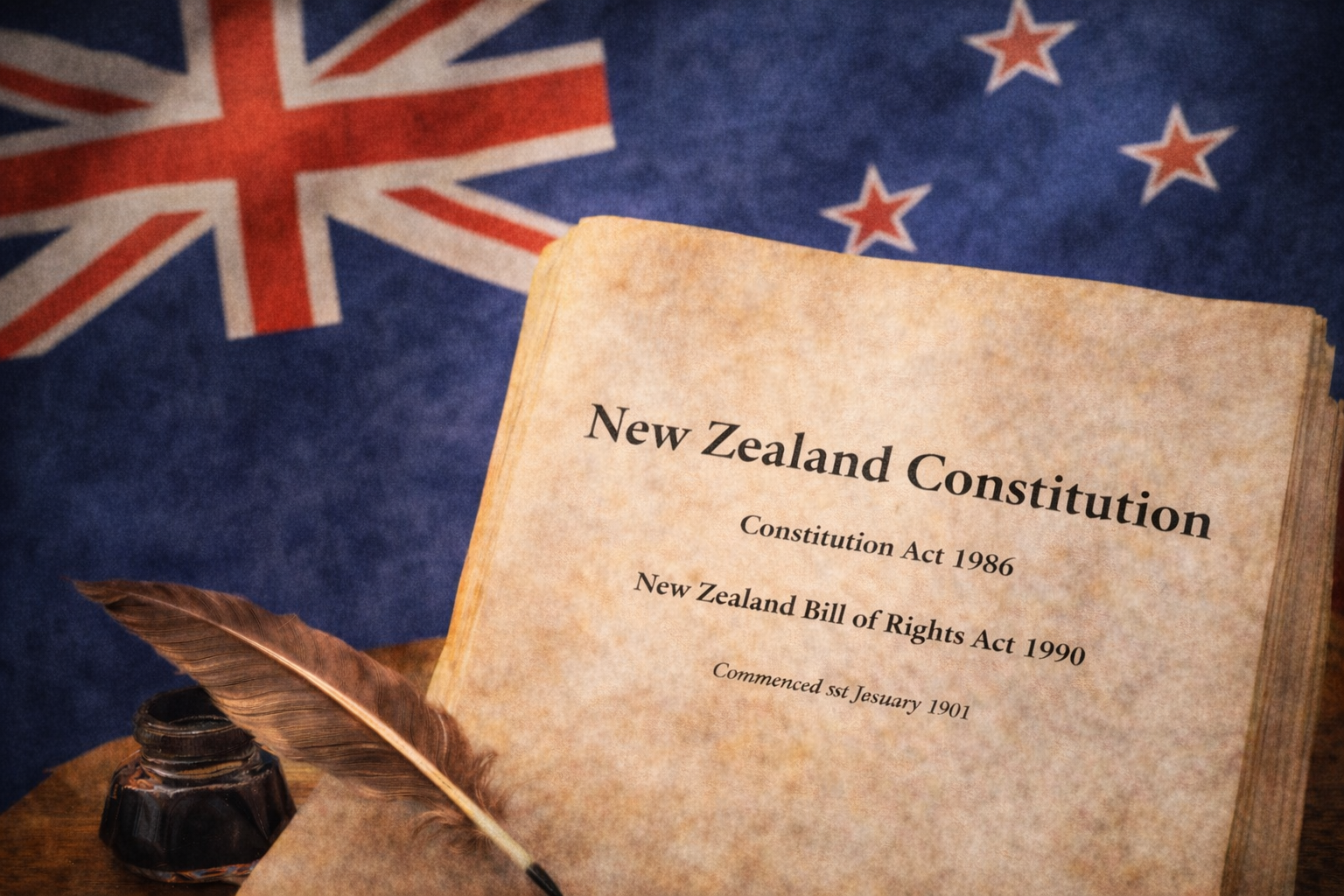
This document is designed for people in Aotearoa New Zealand as a sworn, evidence-ready record of status as a rights-bearing person and beneficial owner of their Estate within New Zealand’s constitutional and public-law framework.
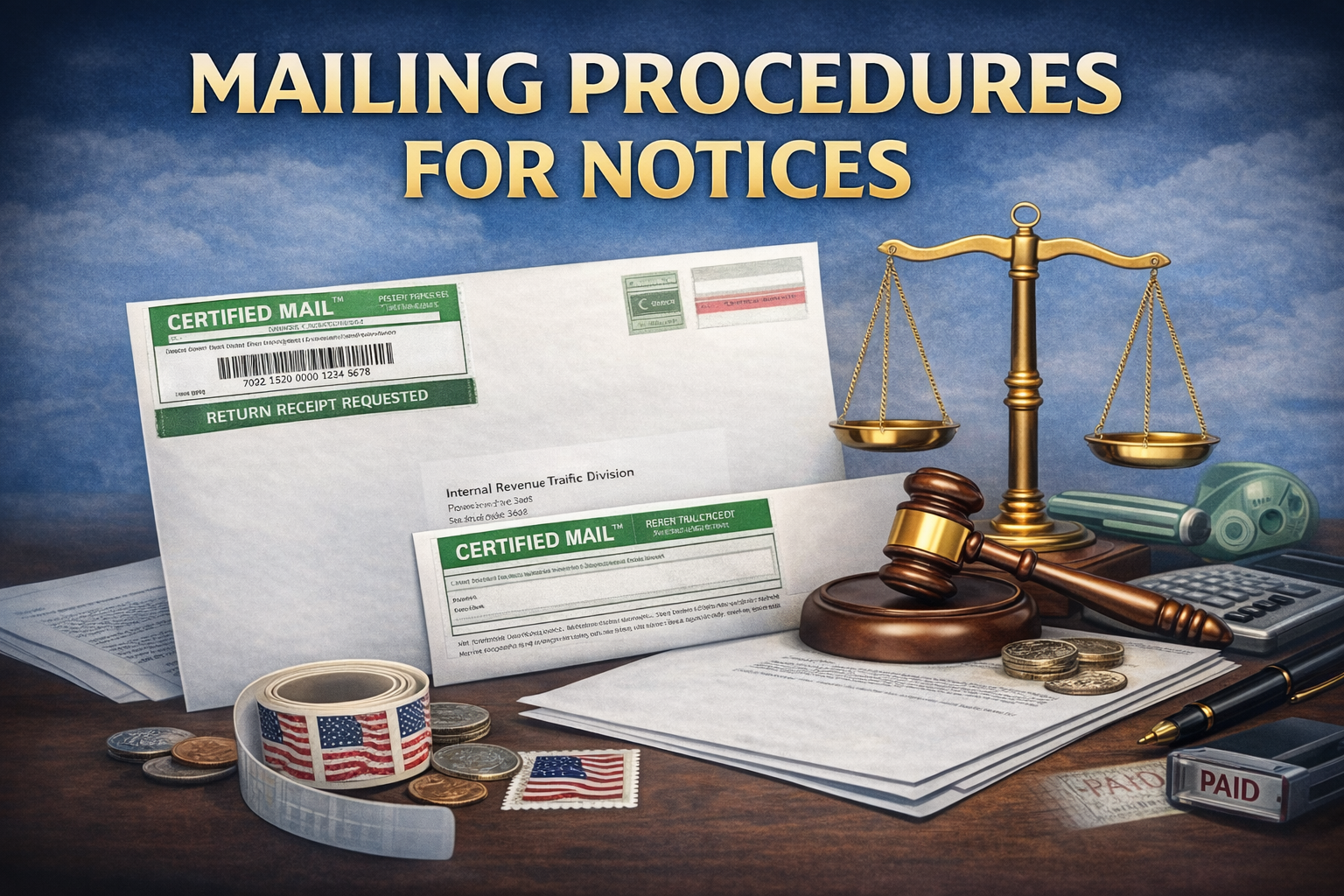
Mailing Procedures for Notices teaches USA-only step-by-step mailing skills for sending legal and administrative notice packages using USPS Certified Mail and Return Receipt. Members learn how to prepare, label, mail, and preserve proof so delivery cannot be credibly denied.