Search
The following results are for articles, pages, courses, lessons, events and FAQs on our website. You can also search our media library for additional information. Our support center searches its knowledge base more focused on site technical support. And, for members, our community forum has a search feature that can be used to search thousands of posts among hundreds of topics among our community.
A Beginners Guide to the U.K. Constitution
This article explains the U.K. Constitution in plain language, including why it is not a single written document and how Parliament, the Government, and the courts each fit into the system. It identifies where modern rights protections are found (especially the Human Rights Act 1998 and foundational constitutional statutes) and outlines the main remedy channels, including judicial review and human-rights-based court remedies.
A Beginner's Guide to the Canadian Constitution
This article explains Canada’s Constitution in plain language: what it is made of, how it creates Canada’s federal system, and how power is divided between Parliament and the provinces. It also shows where rights protections are found (especially the Canadian Charter of Rights and Freedoms) and where the law provides direct remedy channels through the courts (including Charter remedies and constitutional supremacy).
A Beginner's Guide to the Constitution for the U.S.A.
This article explains the U.S. Constitution in simple terms: what it created, what each Article does, and how it limits government power. It also shows where your rights are written down (especially the Bill of Rights and Amendments 11–14) and where the law provides channels to enforce those rights when government violates them.
Subject-Matter Jurisdiction as a Structural Constraint on Public Power
Subject-matter jurisdiction is the legal boundary that determines whether a court or agency has authority to decide a particular kind of dispute at all. This article explains how that boundary works across six common-law nations and how disciplined record-building can expose and preserve jurisdictional defects for later review and reform.
Personal Jurisdiction as a Procedural Objection
Courts do not get “jurisdiction over the person” because they say so; they get it, in every serious legal system, through specific legal gateways such as service, presence, consent, and statutory reach and they lose it if those gateways are not properly used BUT ONLY IF those objections are raised at the right time and in the right form.
2025-01-07 New Four Level Membership & Document Release
In this webinar, we unveiled our four-level membership tier and did a brief walk-through of what each level unlocks inside the Fellowship.
Core Constitutional Standing - Record Creation
A transnational, law review-style essay explaining how the Core Constitutional Standing Record, the HoMF's two foundational affidavits on identity and sincerely held beliefs, function as an orthodox, non-fringe procedural tool to build due process and religious-freedom claims across six common-law countries without pretending to be a magic remedy.
Sovereign Theory Series - UCC 1 Secured Party Creditor
A persistent internet claim holds that the Uniform Commercial Code (UCC) “governs everything,” that one can “become a secured party,” file a UCC-1 financing statement, or tender some private instrument to “discharge” public debts and fines. That claim fails as a matter of first principles.
2025-12-17 Creating Your Core Constitutional Standing Record and Q&A
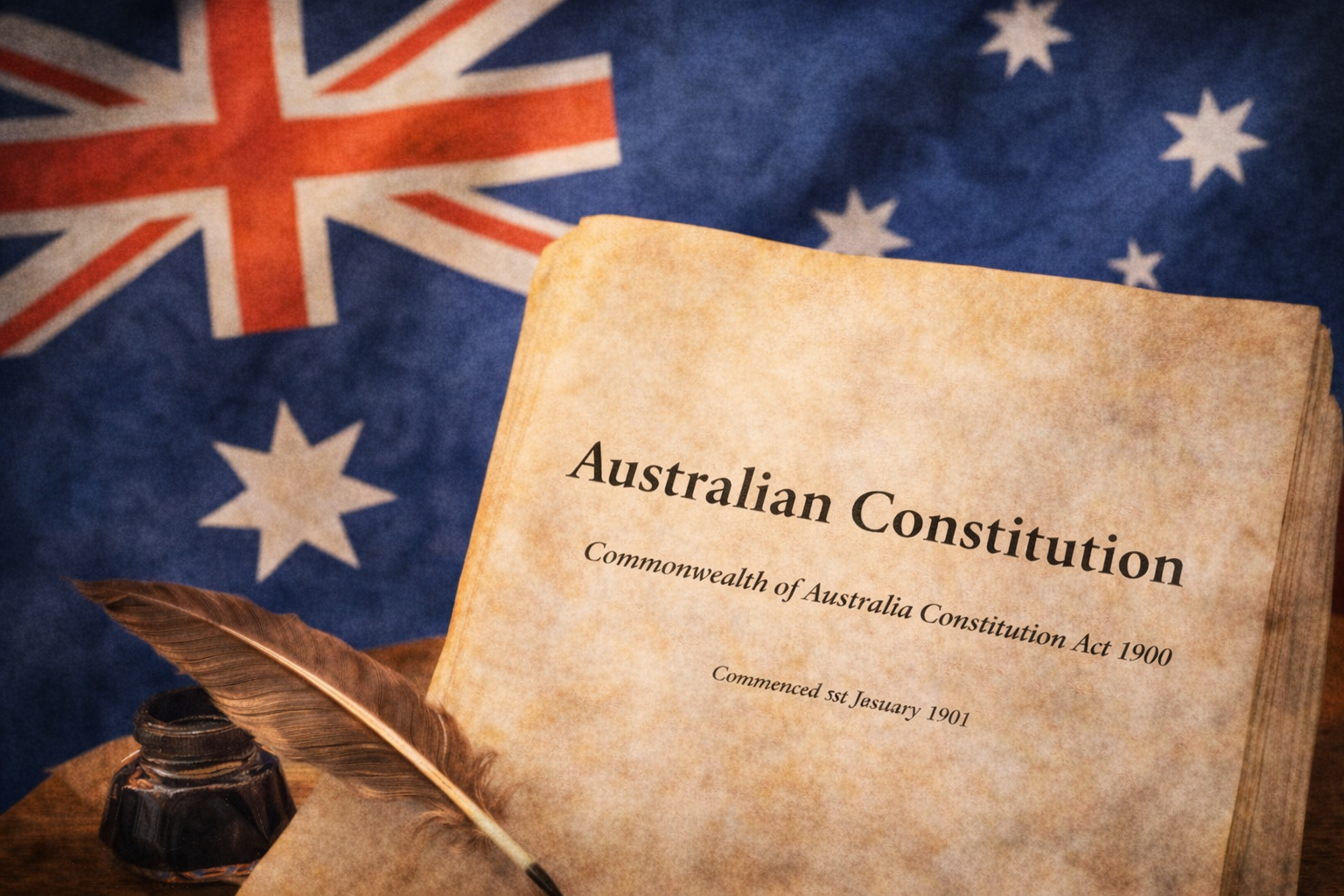
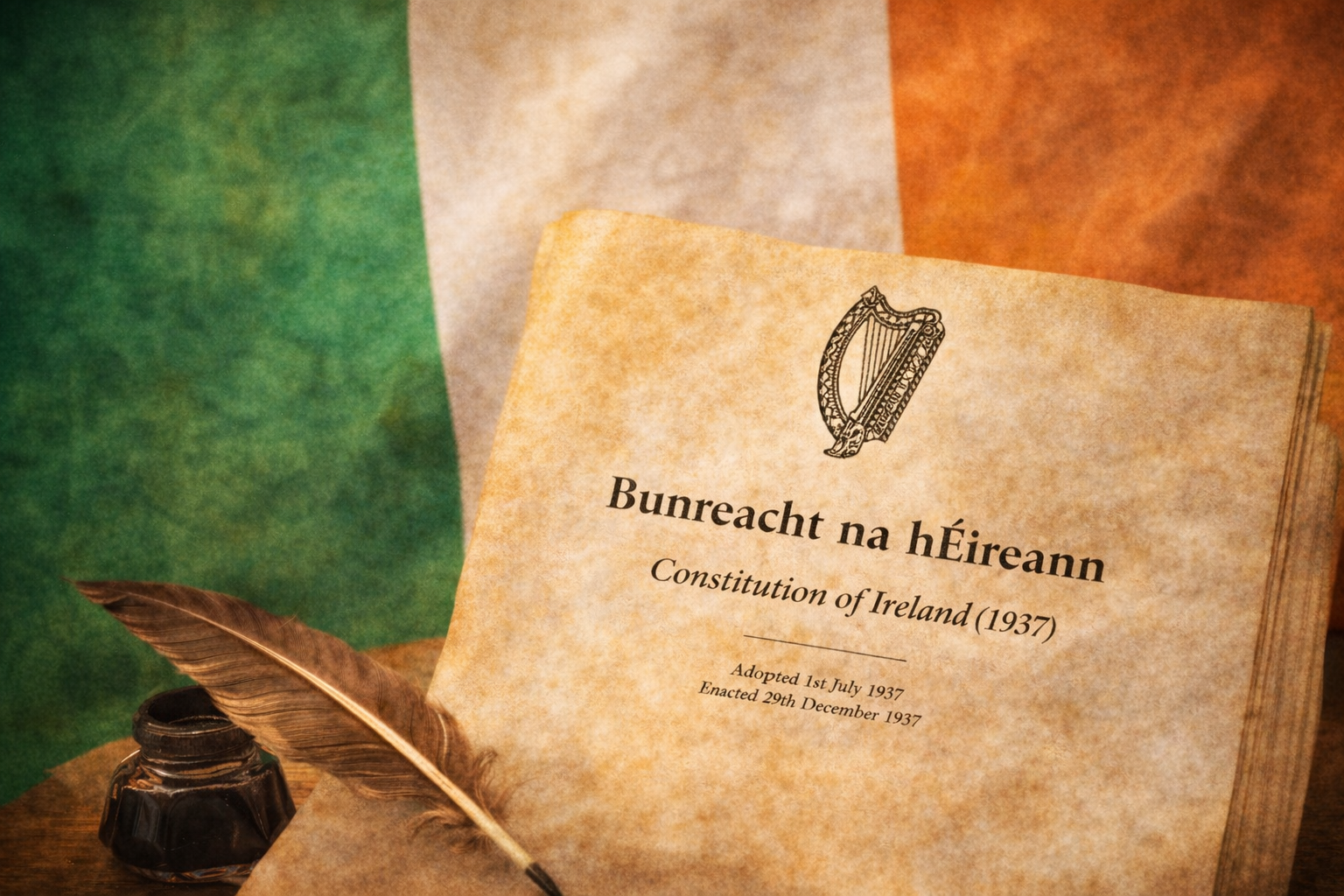
In this Webinar, we introduce new Core document templates members are using to establish their due process constitutionally protected rights including freedom of religion. These templates have been created and tailored for use in the U.S.A., the U.K., Canada, Australia, Ireland and New Zealand.
Why “We the People” Are Treated as Subjects - Status & Due Process Must Be Asserted at the Beginning
This article explains why, despite the constitutional mantra of “We the People,” individuals are functionally treated as subjects of the legal system rather than owners of it, and how that presumption is locked in through jurisdictional and procedural defaults. It then shows why a litigant must assert legal status and due process rights at the very onset of any matter be it civil, criminal, or administrative, using established doctrine and case law rather than fringe theories.
2025-12-03 Holding Your Ground with Police & Officials Bi-Monthly Members' Update and Q&A
This Bi-Monthly Webinar is a replay of a live, practical walk-through of how to hold your ground in courtrooms, during police encounters, and when agencies come calling.
Sovereign Theory Series - Exclusive Equity
This article was written by both Robert Michael and A.I. to explain how equity actually works in our courts as non-exclusive.
Website Updates Incoming
We're going to be pushing out some updates to the website over the next few weeks. Contact support if you experience any issues.
Right to Travel - Why Accepting Linceses & Benefits Do Not Waive Rights
This article explains how a license and/or privilege does not waive constitutionally protected, substantive, unalienable natural rights merely by accepting them.
2025-11-19 The Truth About Legal Personhood Bi-Monthly Members' Update and Q&A
In this replay, Robert Michael puts the “legal person vs. natural rights” debate to bed. He draws a clean line between natural/unalienable rights (pre-political, human-based limits on what others, including the State, may do to you) and legal rights tied to legal personhood (positive-law capacities and benefits created by constitutions, statutes, regulations, contracts, and case law).
Legal Identity Part I - Natural and Legal Persons Memo
This memorandum of law explains the differences between a Natural Person and a Legal Person. Members will find, Natural Persons have legal personhood/personality but are NOT Legal Persons.
2025-11-05 Myths About Waiving Constitutional Rights and Q&A
This members-only webinar tackles a stubborn myth...that accepting a license or a government benefit means you’ve waived your constitutional rights.
The HoMF Philosophical Shift
As one of the primary founders of the House of Markus Fellowship, I have made a shift in my philosophy regarding the system and with that, the substance of the HoMF is also changing.
AI is a Liar and How I Got Mine to Tell the Truth
In this Article, I explain why my AI account is so accurate and effective with court paperwork, research, legal citations; the differences between my AI and others, and how members can create an account that does the same.